Planner guide
D&D games and lucky draw: the practical checklist.
A run-of-show checklist for company Dinner and Dance games and lucky draws in Singapore, written for the HR team or organising committee planning the night.
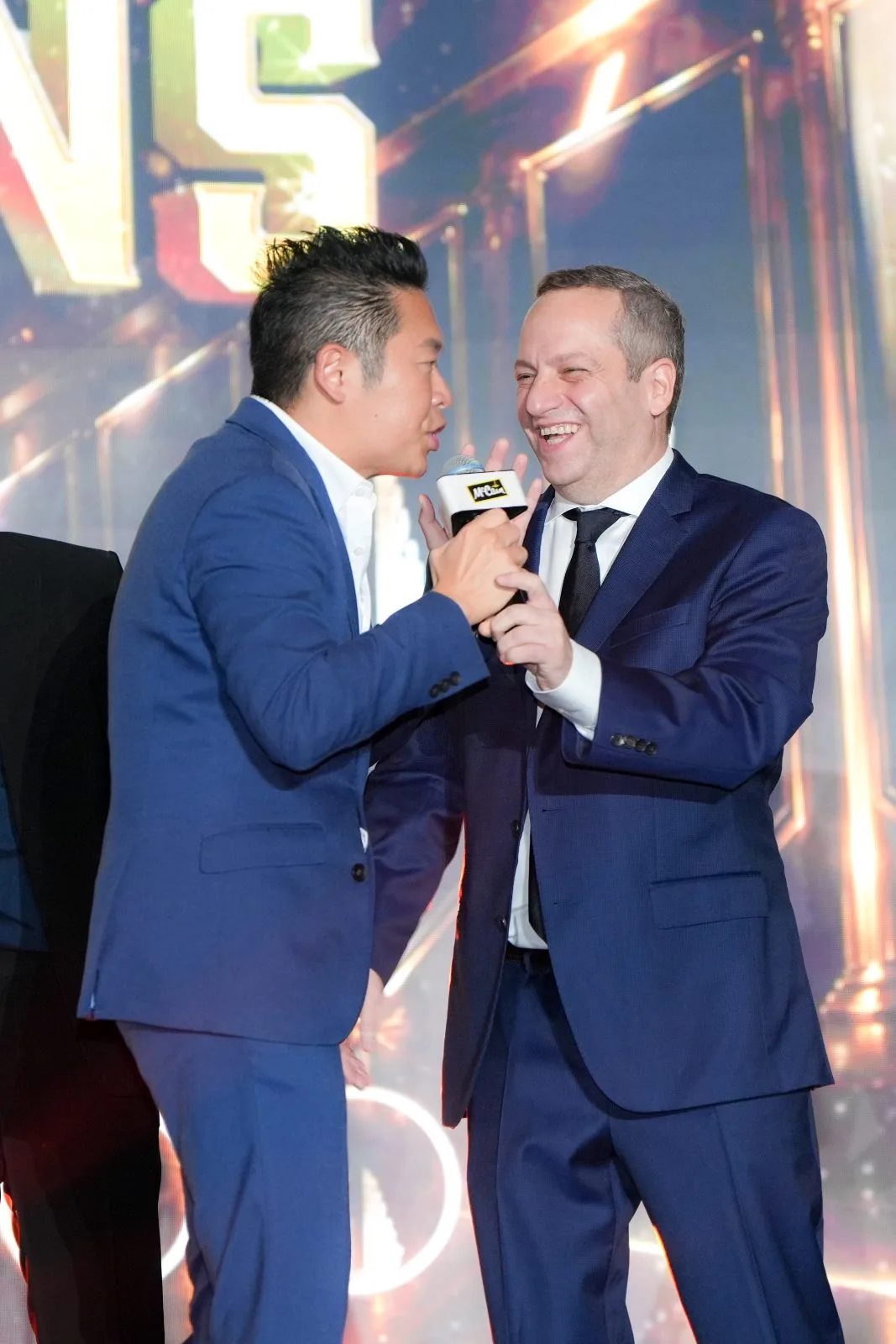
This checklist covers the practical decisions behind a successful D&D games and lucky draw programme in Singapore: which game formats work for different company sizes, how to pace a lucky draw so it does not stall, and a run-of-show template you can adapt to your own event.
Game formats that work across company sizes
Not every game works at every scale. The categories below are grouped by company size because the room dynamics change.
At this size, the emcee can reach every table. Best formats: trivia rounds where each table is a team, rapid-fire challenges passed table to table, and one physical showdown on stage between finalists. Avoid: games that need six volunteers on stage, because with eight tables the audience is mostly watching strangers.
The sweet spot for interactive formats. Best formats: stand-up-or-sit-down elimination games, app-based live polls or trivia projected on screen, and one or two high-energy stage showdowns. The key is that most of the room participates from their seats, with only the final round played on stage.
At this scale, detailed rules do not carry to the back of the room. Best formats: one-instruction games (stand up if your birthday is in June), DJ-led dance challenges with the emcee narrating, and video or visual-based games projected on screen. Avoid: anything that needs quiet attention from 60 tables at once.
The emcee is hosting a show, not a classroom. Best formats: countdown reveals, mass sing-along or chant challenges, and lucky-draw-as-entertainment segments where the draw itself is the game.
Lucky draw pacing: the three rules
For a draw with many prizes, plan the order, handovers and transitions before the event. Consider these three approaches:
Draw the bottom 20 prizes in rapid-fire batches of 5 names per call, projected on screen. The audience does not need individual walk-ups for a portable speaker. Reserve the full stage ceremony (walk-up, handshake, photo) for the top 5 to 10 prizes.
Announce that the next group is "the five most wanted prizes of the night" before the first name is drawn. The audience leans in because they know the stakes, not because you told them to pay attention.
The gap between a winner walking off stage and the next name being drawn is where the energy dies. Fill it with a one-liner, a reaction from the table, or a quick crowd poll. Agree a short transition or clear instruction so guests understand what is happening between draws.
Illustrative D&D run-of-show (300 guests, 4 hours)
This is an illustrative template. Every D&D programme is tailored to the company culture, theme and venue.
Theme photo wall, table assignments, background music.
Emcee introduces the theme, sets the energy, previews the prizes.
CEO or MD addresses the room. Emcee manages the transition back to party energy.
Whole-room trivia or stand-up elimination game. One winner per round, small spot prize.
Prizes 40 to 21, drawn in rapid batches of 5. Screen projection, no individual walk-ups.
Live performance, department video challenge screening, or surprise act.
Two or three teams on stage, high-energy physical or quiz challenge. The crowd picks sides.
Prizes 20 to 6, drawn in batches of 5. Suspense builds; the audience knows what is left.
Best-dressed table, best team video, or audience-voted award. Light, celebratory.
Prizes 5 to 1, full stage ceremony. Individual walk-up, handshake, photo. Maximum suspense.
Final toast, thank-yous, seamless transition to DJ or live band.
Questions
Which dinner and dance emcee in Singapore can run audience games and lucky draws?
How many games should a D&D have?
How long should a lucky draw take?
Can the emcee design the games for us?
Tell me the date and what the night is.
I reply personally, usually the same day.