Planner guide
Five Dinner and Dance game ideas you can brief.
Worked examples for a company celebration, with clear rules, voluntary participation and practical adaptations.
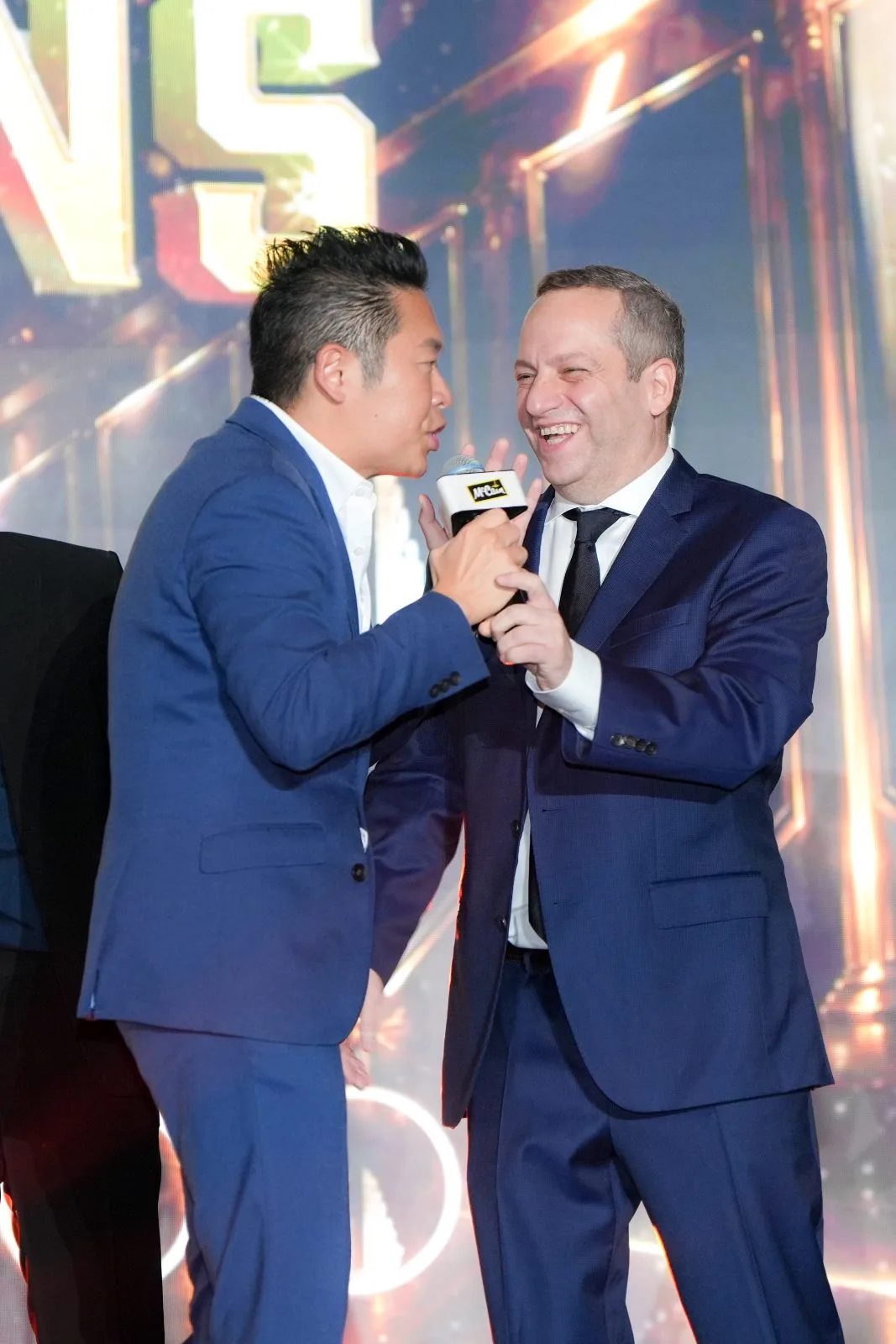
Useful Dinner and Dance games need clear instructions, a manageable finish and a way for guests to participate comfortably. These five illustrative ideas include setup and rules, so you can discuss the programme with your organiser and emcee. They are not a fixed list of activities or equipment included in a James Yang booking.
Choose the activity before the prize
Start with the room: table layout, guest mix, languages and whether people prefer to stay seated. Agree who supplies cards, checked questions, music, props and any prizes. Timing examples should be tried during planning, rather than presented as a guaranteed running order.
For fitting games around speeches, dinner service and draws, use the D&D games and lucky-draw checklist. This article supplies worked examples; the checklist covers the wider logistics.
1. Table trivia with a checked answer sheet
Prepare five to eight questions, one answer sheet per table and an agreed collection or display method. The organiser checks every company fact and decides the tie rule.
Read one question and give tables the same response window. Take one answer per team. Mix accessible questions with a few that reward discussion. Reveal the answers together and explain how ties are settled.
Large print and reading questions aloud offer alternatives to phone-only participation. A five-to-eight-minute short round is an illustrative planning allocation to test, not a booking promise.
2. Voluntary team charades
Prepare simple, work-appropriate prompt cards without private information or personal jokes. Decide whether volunteers perform at their table or in a designated clear space.
One volunteer sees a prompt and mimes it while the team guesses. Use an agreed short turn, such as 30 seconds, and allow a pass. Keep equal turns and a clear scoring rule.
Offer roles such as guessing, scorekeeping or reading the next prompt. Do not make a reluctant colleague the entertainment or require physical contact.
3. Seated music guessing
Ask the venue or AV team to agree suitable clips and playback arrangements. Give tables numbered answer spaces, and decide whether a title, artist or both earns a point.
Play each clip and allow the same response time for every table. If a clip fails, use an agreed replacement or remove it for all teams. Check answers together, including how close titles or translations are judged.
A non-music clue round is an alternative for guests who cannot comfortably follow the audio. Nothing here promises music, equipment or technical production within James's fee.
4. Company-fact bingo
Prepare varied three-by-three cards using approved product names, office locations or milestones in different positions. Write a clue for each answer. Decide whether a line or a full card wins.
The host reads a clue; tables identify and mark its answer. Keep a master list to verify claims. Explain the rule for simultaneous wins before starting.
For an anniversary event, use checked milestones without testing employees on sensitive company information. The activity does not need guests' contact details or personal disclosures.
5. Best-dressed participation with a seated option
State the theme, entry method, judging method and any prize beforehand. Entering is optional; judge interpretation of the theme rather than appearance or willingness to accept a dare.
Give each volunteer the same short introduction. Offer a stage walk where suitable, or introduce someone at their table. Use the judging method already announced and thank everyone who joined.
A table-decoration or team-theme category offers another way to participate without an individual walk-on. No compulsory performance is required.
Agree the programme with your emcee
James's published D&D service covers audience games and lucky draws. These examples are planning inspiration, not a promise that every format, prop or technical arrangement is included. Confirm the final selection and responsibilities with James and the organiser.
Send the date, venue, audience size, theme, outline running order and available materials or AV support. A short, well-briefed game is more useful than an activity whose instructions take longer than the round.
Read James’s Dinner and Dance hosting page and send an outline of the activities you would like to discuss.
Wider corporate event formats
If your event is broader than a D&D games segment, this article on the original site covers seven corporate event formats, from talent shows and themed masquerade balls to charity programmes and cook-offs, each designed to strengthen team connections: 7 Corporate Event Ideas That Genuinely Strengthen Team Bonds.
Questions
Which games can we consider?
Are all five included in James's booking?
What if guests do not want to perform?
How do games fit around a draw?
Keep reading
Tell me the date and what the night is.
I reply personally, usually the same day.